




These 1976 Rock Tracks Have Aged Like Fine Wine

via MusicScreen / YouTube
When discussing rock in the 1970s, many consider 1976 the most transformative year of the decade. Rock music hadn’t undergone such dramatic upheaval since the arrival of Beatlemania more than ten years earlier, which ushered in the British Invasion. In 1976, punk burst into the mainstream, reintroducing the raw, stripped-down energy that had defined early rock innovators. It served as a reminder that virtually anyone—with only a few chords and the right attitude—could become a rock star. Though some critics dismissed punk as a fleeting trend, its influence on rock music has been profound and long-lasting.
Saying punk “changed everything” borders on exaggeration, but its impact was undeniable. Still, many established rock styles, including hard rock, continued to thrive unshaken, attracting large and loyal audiences. Below are five memorable songs from 1976—punk and otherwise—that have endured across generations.
The Ramones – “Blitzkrieg Bop”
Widely considered the essential American punk anthem, “Blitzkrieg Bop” captures the urgency and simplicity at the heart of early punk. The Ramones formed in New York City in 1974 as a trio, later bringing their manager Tommy Ramone in as drummer. The band quickly carved out a reputation as one of the most electrifying acts at CBGB, drawing heavily from proto-punk inspirations.
After signing the first major record deal awarded to a punk band, the Ramones released their debut album in spring 1976, with “Blitzkrieg Bop” opening the tracklist. Its “Hey! Ho! Let’s go!” chant and aggressive three-chord attack served as a manifesto for the fledgling movement. Although the album peaked at No. 111 on the Billboard 200 and the single didn’t chart at all, the track caught fire in the U.K., influencing countless bands who pushed punk in new directions.

Sex Pistols – “Anarchy in the U.K.”
One of the most pivotal groups in defining British punk’s sound and attitude was the Sex Pistols. With Johnny Rotten leading the charge, the band projected the sense of chaos and provocation that unsettled the U.K. establishment in the mid-1970s. “Anarchy in the U.K.” suggested exactly the kind of societal disruption the tabloids claimed to fear.
Musically, the song leaned more toward hard rock than early punks might have admitted, which helped it achieve broad appeal. Released through EMI, the single sold 55,000 copies and reached No. 38 on the British charts before being banned by the BBC and withdrawn by EMI, who subsequently dropped the band.
The uproar helped establish the Sex Pistols as Britain’s defining punk act. Their debut album, Never Mind the B******, Here’s the Sex Pistols*, released on Virgin Records and including the banned track, remains a landmark recording. Though the group’s career was short-lived, the raw aggression of “Anarchy in the U.K.” demonstrated punk’s capacity to shock and unsettle.
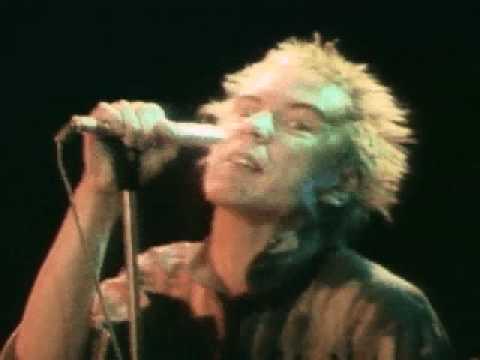
Thin Lizzy – “The Boys Are Back in Town”
While punk shook the foundations of rock, hard rock reached new commercial heights in 1976, exemplified by Thin Lizzy’s global hit “The Boys Are Back in Town.” The song’s infectious hooks and swaggering energy have made it an enduring staple, featured in pop culture touchpoints like Toy Story and regularly blasted at sporting events.
It may surprise listeners that Thin Lizzy had struggled to break into the international market before this single. Outside of their earlier hit “Whiskey in the Jar,” the band had yet to secure major success, particularly in the U.S. That changed with “The Boys Are Back in Town,” which climbed to No. 12 on the Billboard Hot 100 and propelled the album Jailbreak to gold status.
For many fans, 1976 represents the peak of Thin Lizzy’s classic era, and the song’s tough yet melodic sound remains one of the clearest examples of what made them so influential. Those seeking a heavier take should explore the powerful 1979 live album Live and Dangerous.
Blue Öyster Cult – “(Don’t Fear) The Reaper”
Though hard rock was not typically the domain of existential storytelling, Blue Öyster Cult frequently ventured into more poetic territory. The Long Island band blended philosophical themes with irresistible rhythms, and no track demonstrates this fusion better than their signature hit “(Don’t Fear) The Reaper.”
The 1976 single spent 20 weeks on the Billboard Hot 100 and peaked at No. 12, eventually earning the title of Rolling Stone’s Song of the Year. Few songs centered on mortality have achieved such widespread acclaim, but “(Don’t Fear) The Reaper” captivated listeners with its bittersweet tone, memorable guitar riffs, intense mid-song solo, and haunting vocal lines. Its distinctive atmosphere has helped it maintain popularity for decades.

Boston – “More Than a Feeling”
Among fans of classic rock, Boston’s “More Than a Feeling” sometimes sparks debate. To some listeners, the polished 1976 single—an enduring radio favorite that reached No. 5 on the Billboard Hot 100—embodies the overproduced sound that punk and other emerging genres actively pushed against. Its ubiquity on FM radio only heightened that perception.
Yet the track remains a masterclass in melodic rock craftsmanship. Brad Delp’s soaring, multi-layered vocals bring emotional weight to the chorus, while guitarist and bandleader Tom Scholz—who reportedly spent five years perfecting the song—crafted an arrangement that remains crisp and powerful even today. Love it or not, “More Than a Feeling” is undeniably one of the defining rock anthems of the era.