These 10 Classic Rock Hits Sound Great… Until You Hear the Vocals

Photo by Koen Suyk / Anefo, CC0, via Wikimedia Commons
Rock music has never been only about perfect singing. Many classic songs became famous because of strong songwriting, memorable riffs, or emotional performances rather than flawless vocals. In some cases, singers recorded tracks while tired, sick, experimenting with new styles, or simply pushing their voices beyond their limits. The result can sound unusual compared to more polished recordings.
That does not mean these songs failed. Many remain loved by fans and still receive radio play decades later. However, their vocal performances often divide listeners. Some hear honesty and personality, while others notice technical weaknesses or production choices that make the singing stand out for unexpected reasons. Here are ten well-known rock songs where the music shines, even when the vocals sparked debate among fans and critics.
‘Shock Me’ – Kiss
Ace Frehley took lead vocals on “Shock Me,” released on Kiss’s 1977 album Love Gun. It marked one of the first times the band’s lead guitarist handled singing duties instead of Paul Stanley or Gene Simmons. The song was inspired by a real incident in which Frehley was briefly electrocuted during a live performance but returned to finish the show.
Frehley was not known as a trained vocalist, and his relaxed delivery contrasts with the stronger voices typically heard in Kiss recordings. Critics often note that his pitch control sounds uneven compared to Stanley’s style. Still, the performance became part of the track’s identity, helping “Shock Me” remain a fan favorite despite its rough vocal quality.

‘Cook of the House’ – Wings
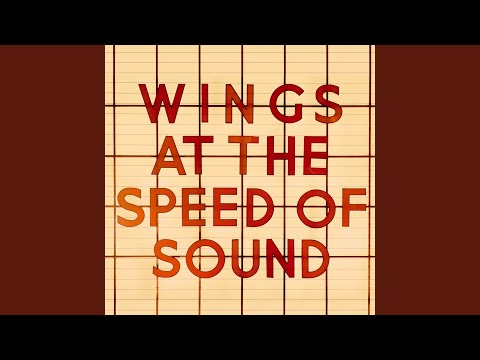
“Cook of the House,” from Wings’ 1976 album Wings at the Speed of Sound, features Linda McCartney on lead vocals. Paul McCartney encouraged each band member to sing on the record, giving listeners a wider view of the group rather than focusing only on himself as frontman.
Linda McCartney was primarily a keyboard player, not a professional singer, and reviews at the time often criticized her limited vocal range and steady tone. The simple lyrics and casual performance divided audiences. While some listeners appreciate its homemade charm, others consider it one of the weaker vocal moments connected to Paul McCartney’s post-Beatles career.
‘Numb’ – U2
Released in 1993 on Zooropa, “Numb” features guitarist The Edge performing lead vocals instead of Bono. The track reflects U2’s experimentation with electronic and industrial sounds during the early 1990s, a major stylistic shift for the band.
Rather than traditional singing, The Edge delivers the lyrics in a spoken, monotone style layered over mechanical rhythms. The approach was intentional, matching the song’s themes of media overload and emotional detachment. While some critics praised the risk-taking, others found the vocal performance detached and difficult to connect with compared to Bono’s usual expressive delivery.

‘They’re Red Hot’ – Red Hot Chili Peppers
“They’re Red Hot” closes the 1991 album Blood Sugar Sex Magik and is a fast cover of a Robert Johnson blues song from 1937. The band recorded it as a brief, playful tribute to early blues influences.
Anthony Kiedis sings at a rapid pace, nearly shouting parts of the lyrics as the band races through the arrangement. The intentionally chaotic performance contrasts sharply with the album’s polished sound. Some listeners view it as humorous experimentation, while others feel the rushed vocal delivery sounds uncontrolled compared to Kiedis’s later improvement as a singer.

‘Frantic’ – Metallica
“Frantic,” the opening track of Metallica’s 2003 album St. Anger, arrived during a turbulent period for the band. Frontman James Hetfield had recently returned from rehabilitation, and the recording process focused on raw emotion rather than technical precision.
Hetfield’s vocals sound strained and aggressive, matching the album’s stripped-down production style. Critics frequently pointed to the shouting delivery and lack of melodic variation as weaknesses. Supporters argue the performance reflects the band’s emotional state at the time, though many listeners still consider the vocal approach one of the album’s most controversial elements.

‘Tommy’s Holiday Camp’ – The Who
Featured on The Who’s 1969 rock opera Tommy, “Tommy’s Holiday Camp” includes drummer Keith Moon singing lead vocals. The song fits into the album’s storyline, portraying a chaotic character connected to the main plot.
Moon was known more for personality than vocal skill, and his exaggerated performance leans toward comedy. His loud, theatrical style differs greatly from Roger Daltrey’s powerful singing elsewhere on the album. While the performance suits the character-driven concept, critics often cite it as an example of storytelling taking priority over vocal control.

‘Inside Out’ – Traveling Wilburys
The Traveling Wilburys brought together Bob Dylan, George Harrison, Jeff Lynne, Roy Orbison, and Tom Petty. On “Inside Out,” from their second album Traveling Wilburys Vol. 3 (1990), Dylan’s vocal style stands out among several smoother singers.
Dylan intentionally embraced an unpolished, conversational tone throughout his career. When placed alongside strong harmonies from Harrison and Lynne, his nasal delivery becomes more noticeable. Some listeners appreciate the contrast, while others feel the vocal blend highlights Dylan’s limited range compared with his bandmates’ cleaner singing styles.

‘This Old House’ – Crosby, Stills, Nash & Young
“This Old House,” from the 1988 album American Dream, reunited Crosby, Stills, Nash & Young after years apart. The group was famous for balanced vocal harmonies that blended smoothly across earlier recordings.
On this track, heavy production choices push the vocals forward in the mix, making the harmonies sound louder and less balanced than usual. Critics argued that the recording lost the subtle blending that defined their earlier work. The vocal performance itself remains strong individually, but the mixing decisions changed how listeners experienced the group’s signature sound.

‘Don’t Leave Me Now’ – Pink Floyd
“Don’t Leave Me Now” appears on Pink Floyd’s 1979 concept album The Wall, written largely by Roger Waters. The song represents a breakdown experienced by the album’s main character, requiring an emotionally intense vocal performance.
Waters uses dramatic shifts in tone, including whispered lines and strained cries meant to portray instability. Some listeners find the performance powerful within the story’s context, while others view it as overly theatrical. The vocal style intentionally sacrifices smooth singing to emphasize psychological tension within the narrative.

‘Dark Horse’ – George Harrison
George Harrison recorded “Dark Horse” in 1974 while suffering from laryngitis during a demanding tour schedule and personal stress. Despite the illness, studio deadlines pushed him to complete the track rather than delay recording.
His voice sounds hoarse and strained throughout the song, which critics quickly noticed upon release. Harrison later acknowledged the vocal difficulties caused by his condition. While the rough sound adds emotional weight for some fans, many consider it an example of how health issues directly affected a major artist’s recorded vocal performance.