




The Secretly Shocking Stories Behind These 1960s Songs

via The Beatles Rarities / YouTube
Some songs spell out their themes plainly, while others hide more unsettling ideas beneath catchy hooks or upbeat arrangements. Some classic tracks from the 1960s fall into the latter category—songs whose deeper, sometimes disturbing meanings can be easy to overlook. Here’s a closer look at three of them.
“Maxwell’s Silver Hammer” – The Beatles
One careful listen makes it obvious that this 1969 Beatles tune is far darker than its bright, music-hall bounce suggests. Yet the cheerful melody often masks its grim storyline. Paul McCartney wrote the song about a fictional character named Maxwell Edison, who murders people with a hammer. Beneath its playful exterior, the track is really an allegory about life’s sudden, inexplicable misfortunes—how disaster can strike “out of the blue” without warning.

“Hey Joe” – The Jimi Hendrix Experience
There’s no subtlety in the lyrics of “Hey Joe,” which follow a man preparing to kill his unfaithful wife before fleeing the country. Even so, Jimi Hendrix delivers the song with such laid-back cool that many listeners may not initially register just how bleak the narrative is.
A bit of trivia: Hendrix used the song to close out his legendary set at Woodstock in 1969. And although his version is the most famous, the tune wasn’t originally his—it’s a long-standing rock standard later copyrighted by Billy Roberts and covered by countless artists.

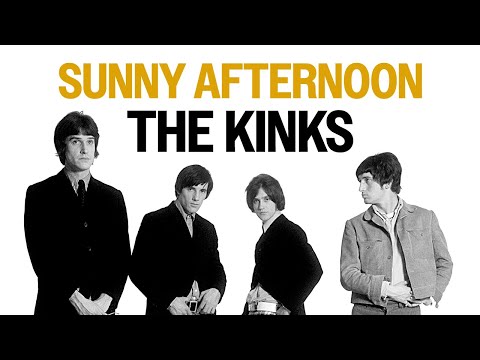
“Sunny Afternoon” – The Kinks
This 1966 Kinks classic may exude a breezy, summer-soaked vibe, but its lyrics tell a very different story. Ray Davies wrote it while he was seriously ill and grappling with a frustrating tax burden. The song is voiced from the perspective of a spoiled aristocrat who has squandered his fortune—a narrator who is both unsympathetic and intentionally satirical. As a result, the track becomes a layered, ironic commentary, with Davies poking fun at privilege, at the era’s tax system, and perhaps even at his own complaints.