




The Hidden Guilt a Producer Has Carried Since John Lennon’s Killing
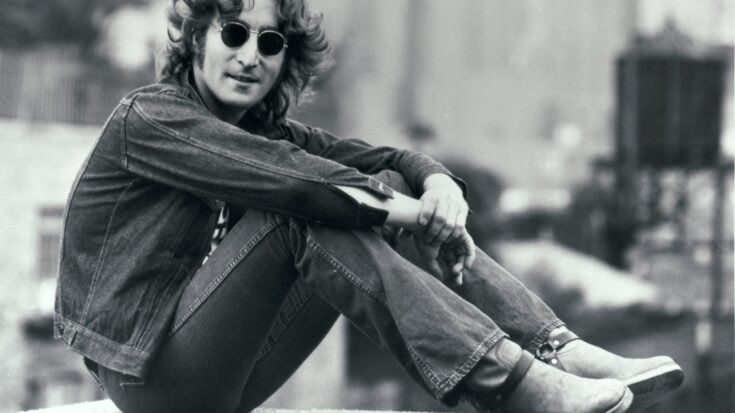
Bob Gruen; Distributed by Capitol Records, Public domain, via Wikimedia Commons.
Jack Douglas, one of the last people to see John Lennon alive, has opened up about the deep emotional burden he endured in the aftermath of the Beatle’s assassination on Dec. 8, 1980. Lennon had spent the evening at New York’s Record Plant, working on the track “Walking on Thin Ice,” with Douglas producing the session. Hours later, Lennon was shot outside his apartment by a deranged fan, an event Douglas says reshaped his life in painful and lasting ways.
During a recent appearance on the Magnificent Others with Billy Corgan podcast, Douglas reflected on the intense personal fallout that followed the tragedy.
‘I Played It Over and Over’
Douglas explained that, in the immediate aftermath, he was paralyzed by grief and consumed by self-blame.
“I didn’t want to go out of the house. It was terrible,” he recalled. “And I felt this terrible guilt because very often I went home with him and I didn’t because I had another session after. And so, I played it over and over and over.”
Douglas said he couldn’t stop imagining alternate versions of the night — scenarios in which he believed he could have intervened.
“I would have been in the car, I would have seen the guy, I would have tackled him, John would be alive,” he said. “So, that played over and over and over.”
Spiraling After the Loss
The producer said that what made the trauma worse was the sudden flood of attention from the media.
“Suddenly everyone wanted a magazine article, everyone wanted a book, everyone wanted this, everyone wanted that,” he remembered. “I wanted absolutely nothing to do with it. And so I started hiding out and then taking pills so that I could just stay in the house.”
The grief and pressure sent Douglas into a downward spiral. “I was out of control,” he admitted, adding that his career “stopped altogether” as his addiction worsened.
He eventually entered rehab, regained stability, and has now been sober for more than three decades.
Lennon’s Continued Presence
Even after rebuilding his life, Douglas says Lennon is never far from his thoughts — or his dreams.
“[Lennon] comes to me often in a dream,” he explained. “It could be in different places. Could be the studio… He talks to me. He liked to talk to me. He liked to tell me that I didn’t know anything. He’d say, ‘For a bright guy, Jack, you don’t know anything.’”
Douglas suggested that these recurring dreams feel less like hauntings and more like conversations with someone who shaped him profoundly, both personally and professionally. For him, the dreams serve as reminders of Lennon’s presence — not just as a legendary artist, but as a collaborator who challenged him, teased him, and trusted him.
And while the guilt that once overwhelmed him has softened over the decades, the memories have not faded. Instead, Douglas seems to carry them as part of a complicated but enduring bond, one that continues to follow him — sometimes painfully, sometimes comfortingly — through the life he rebuilt after that devastating night.