





On This Day 1971: Led Zeppelin’s Fourth Album Starts a Two-Week UK No. 1 Run and a Nearly Five-Year US Chart Stay
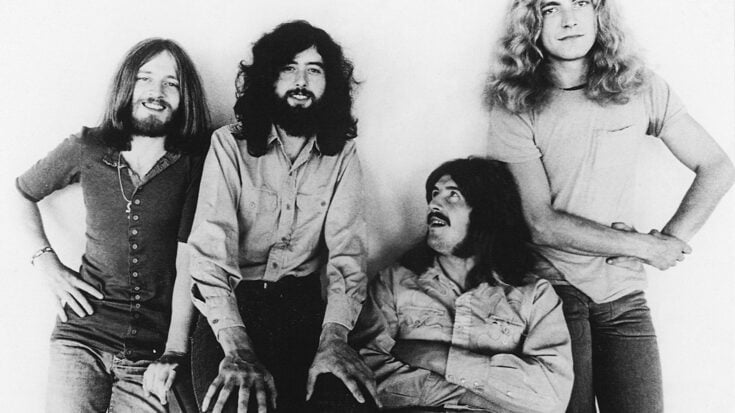
Atlantic Records, Public domain, via Wikimedia Commons
Release and UK Success
On December 4, 1971, Led Zeppelin achieved a major milestone when their album known as Led Zeppelin IV (also “The Four Symbols” record) began a two-week run at No. 1 on the UK Albums Chart. This rise to the top helped cement the album’s early success and showed the growing impact of the band’s new direction in rock music.
“Led Zeppelin IV” was released just weeks earlier, in November 1971. The record featured songs like “Black Dog,” “Rock and Roll,” and the epic track Stairway to Heaven — a song whose influence would grow way beyond its initial release.
View this post on Instagram
U.S. Chart Performance and Legacy
In the United States, the album did not hit No. 1 on the Billboard 200, but it remained a best-seller for a very long time. “Led Zeppelin IV” spent about 281 weeks on the U.S. chart — just short of five full years.
Over time, the album proved to be one of the band’s greatest successes. Worldwide sales have reached roughly 37 million copies, and in the U.S. alone it has sold around 24 million — making it one of the best-selling albums ever.
Musical Impact and Cultural Influence
Musically, “Led Zeppelin IV” marked a turning point for the band. The mix of heavy rock, folk, blues, and acoustic sound created a template many would try to follow. “Stairway to Heaven,” though never released as a single, became a radio staple and arguably one of the most iconic rock songs in history.
Even decades later, songs from this album still appear on playlists, soundtracks, and radio rotations. The record’s reach has gone beyond decades — it shaped how rock music would sound and influenced generations of musicians worldwide.
Why It Still Matters Today
“Led Zeppelin IV” remains important because it showed a band willing to take risks, combine styles, and redefine rock. It combined hard riffs with gentle melodies, and darkness with hope, all in one album. The record didn’t just sell well — it changed expectations of what rock albums could be.
More than 50 years later, it still draws new fans. Its mix of craft, emotion, and raw power feels as relevant now as it was in 1971.







.jpg)