




How Jimmy Page Transformed These 4 Guitarists Forever
via Cal Vid / YouTube
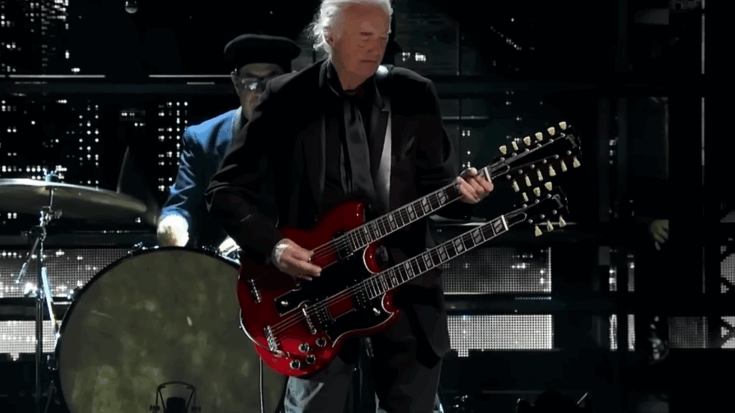
In the 2008 documentary It Might Get Loud, Jimmy Page instantly captivates The Edge and Jack White—both of them staring with childlike wonder—when he launches into the famous “Whole Lotta Love” riff. White and The Edge are legends in their own right, of course, but when Page picks up a guitar, it’s akin to Mozart stepping into a room full of pianists. His influence on the instrument is immeasurable. Below are four guitarists whose styles and careers were deeply shaped by Page’s legacy.
Jack White
When The White Stripes broke out in the early 2000s amid America’s garage-rock resurgence—alongside bands like The Strokes and Yeah Yeah Yeahs—the duo’s stripped-down sound seemed far removed from the massive presence of Led Zeppelin. But Jack White’s musical DNA includes the same early blues that fueled Page. White reinvented the blues for a new generation through raw, distorted riffs and piercing solos. Much like Page, he mined traditional styles and turned them into something completely original.

Slash
Jimmy Page practically defined the image of the rock guitarist with a low-hanging Gibson Les Paul. Today, it’s hard not to picture Slash when seeing a cherry sunburst LP. While Slash’s curls and top hat recalled Marc Bolan, his guitar identity pulled from Page, Eddie Van Halen, Jimi Hendrix, and—yes—Joe Perry. Slash is celebrated for soaring solos, but his rhythm work carries Page’s swaggering groove. Page taught future players that unforgettable riffs and airtight rhythm are the backbone of any great solo.
Joe Perry
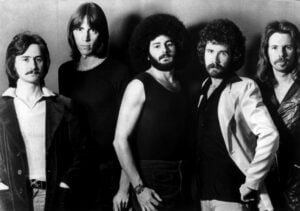
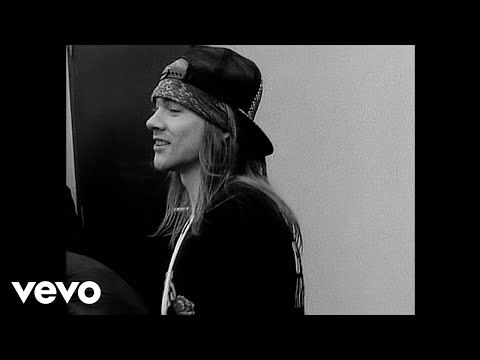
Before Aerosmith cemented their rock-god status, critics dismissed the Boston band as a bargain-bin Rolling Stones. And while Steven Tyler and Joe Perry certainly leaned into the Glimmer Twins comparison, Perry’s riff style—shared with Brad Whitford—owed more to Page’s spin on the blues tradition. Perry even echoed Page’s look. After releasing Toys in the Attic, Aerosmith shed their copycat label for good. A track like “Walk This Way” stands as iconic as any Zeppelin staple.

Eddie Van Halen
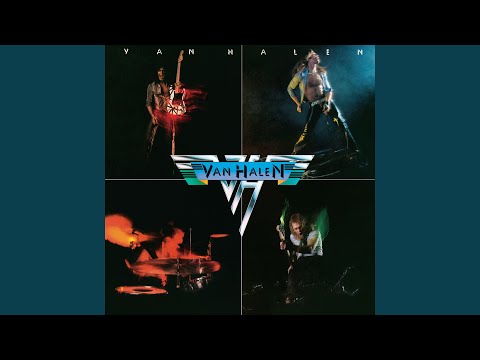
Page’s solo on “Heartbreaker” hinted at where electric guitar technique was headed—and Eddie Van Halen ran with it. Van Halen built upon Page’s rapid-fire note flurries by adding two-handed tapping, a technique he helped popularize even if he didn’t invent it. After listeners heard “Eruption,” anyone using similar methods worked in the giant shadow he cast. Like Led Zeppelin and The White Stripes, Van Halen moved rock forward by pulling the past into bold, modern territory.