




George Michael’s Powerful Performance Left David Bowie, Brian May, and Seal Speechless
via "Remastered videos" / Youtube
Looking back on music history, George Michael stands out as one of its most emotionally burdened yet resilient figures. Despite constant public scrutiny and personal setbacks, he consistently channeled those experiences into both his music and his broader worldview, refusing to be defined by adversity.
A Defining Turning Point
A major shift in Michael’s life came in the late 1990s, when he was publicly outed amid a tabloid-driven scandal. The incident could have pushed him into retreat—much like some of his idols, including Prince, who distanced themselves from the spotlight. Instead, Michael gradually transformed the ordeal into a catalyst for self-acceptance and authenticity, reclaiming the narrative around his identity.
This transformation was not immediate. Already grappling with the challenges of living honestly under intense public attention, Michael slowly found the strength to respond—not only for himself, but also for a wider community still seeking recognition and justice. His perspective was further shaped by the shifting public attitudes he witnessed following the deaths of figures like Freddie Mercury and Anselmo, both of whom succumbed to the same illness.
A Performance That Defined a Legacy
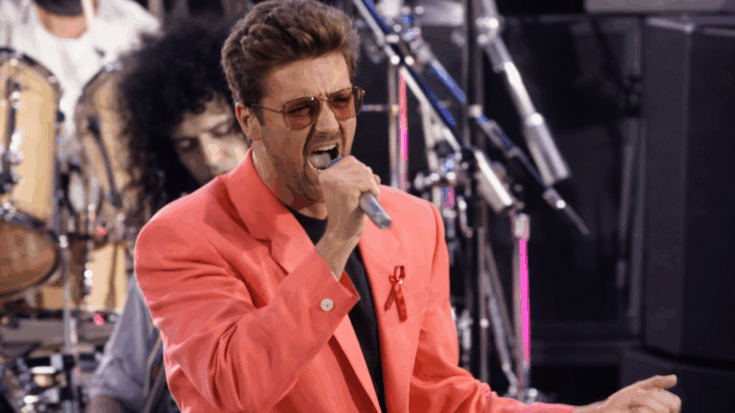
One of the most significant moments in Michael’s career came in 1992, when he performed a tribute to “Somebody to Love” in honor of Freddie Mercury. The performance demonstrated not only his vocal brilliance but also his ability to carry forward the emotional and artistic spirit of the original. It cemented his place as a bridge between generations, even before he had publicly come out.
Michael later described the moment as his “proudest,” and it was widely regarded as more than a tribute—it was a transformation. Rather than merely emulating Mercury, he embodied the essence that made the Queen frontman iconic, captivating both audiences and fellow musicians alike. Brian May later remarked that, in that moment, Michael was “pure Freddie.”
Behind the scenes, the impact was just as profound. During rehearsals, artists like David Bowie and Seal watched in awe, witnessing a rare convergence of musical legends united in admiration and remembrance. It was a powerful instance of artists coming together to honor one of their own while supporting another who was rising to carry that legacy forward.
Personal Grief and Emotional Truth
For Michael, the performance carried an even deeper emotional weight. He had learned of Anselmo’s condition the day after Mercury’s death, making the tribute intensely personal. Under those circumstances, every note he delivered was infused with genuine emotion and vulnerability.
He later described the performance as “the loudest prayer of [his] life,” using the song as both a tribute and a deeply personal plea. Reflecting on its significance, he said, “It’s not an accident that the performance probably most well known in my career was sung to my lover who was dying.”
That sense of urgency and emotional exposure was palpable—not only to the audience but also to those backstage who could feel the depth of his commitment even before he stepped into the spotlight. It underscored what defined George Michael as an artist: an unwavering dedication to emotional truth. Even when his private struggles remained hidden from public view, his performances revealed a depth of authenticity that few could match.