Gene Simmons Opens Up: ‘Ace Made Some Really Bad Decisions’
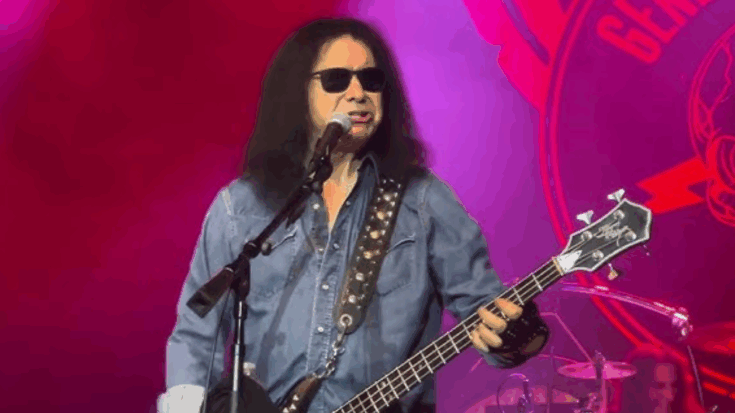
via Thomas Lawson / YouTube
Kiss bassist Gene Simmons has spoken publicly about the recent death of his former bandmate Ace Frehley, suggesting that a history of “bad decisions” may have played a role in the guitarist’s passing.
Frehley, the band’s founding lead guitarist, suffered multiple skull fractures and a brain bleed after a fall at his home studio on Sept. 25. He was placed on a ventilator but showed no improvement, and on Oct. 16, his family made the decision to remove him from life support. An autopsy later confirmed that Frehley’s death was caused by accidental blunt-force trauma.
Simmons Suggests Frehley Ignored Advice From Loved Ones
Although Frehley had publicly stated that he had maintained sobriety for nearly two decades, Simmons implied that lifestyle choices may still have contributed to his death.
“He refused [advice] from people that cared about him – including yours truly – to try to change his lifestyle,” Simmons told the New York Post. “In and out of bad decisions. Falling down the stairs — I’m not a doctor — doesn’t kill you. There may have been other issues, and it breaks my heart.”
Simmons’ remarks indicate that, in his view, Frehley may have ignored warnings from those closest to him, even as he publicly presented himself as stable and sober.
A History of Controversial Statements
Simmons has made similar comments in the past, notably following the 2016 death of Prince. “How pathetic that he killed himself,” he said at the time. “Don’t kid yourself, that’s what he did. Slowly, I’ll grant you — but that’s what drugs and alcohol is: a slow death.”
Those remarks provoked public backlash, including criticism from Simmons’ Kiss bandmate Paul Stanley, who called them “cold (and) clueless.” Simmons later issued an apology, explaining, “I just got such s— from my family for my big mouth again. I apologize — I have a long history of getting very angry at what drugs do to the families/friends of the addicts.”
In light of Frehley’s death, Simmons’ comments are likely to attract renewed attention. While he frames his statements as expressions of concern, his blunt assessments often stir controversy, highlighting the delicate balance between honesty and sensitivity. The loss of Frehley, a longtime collaborator and friend, underscores the complexity of grief in the public eye, where personal pain, public scrutiny, and decades of shared history collide. Simmons’ reflections, however polarizing, reveal his struggle to reconcile admiration, loss, and frustration in the aftermath of tragedy.