




Gene Simmons Reveals “Bad Decisions” Played a Role in Ace Frehley’s Death
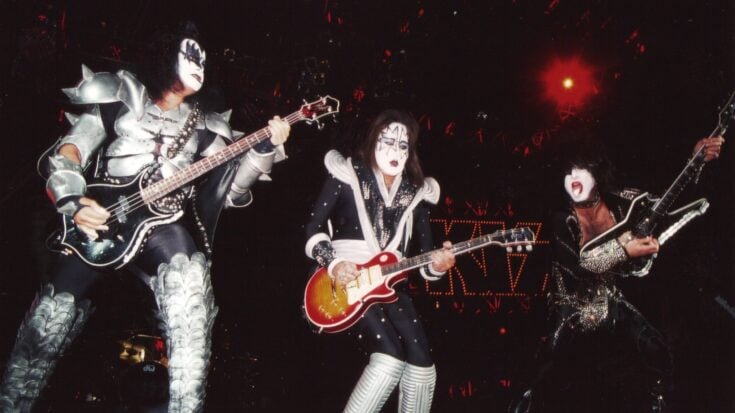
Photo by Jamiecat*, CC BY 2.0, via Wikimedia Commons
Simmons Speaks on Frehley’s Passing
In a new interview, Kiss bassist Gene Simmons claimed that a series of “bad decisions” played a part in the recent death of former bandmate Ace Frehley. Frehley, the band’s founding lead guitarist, suffered several skull fractures and a brain bleed after a Sept. 25 fall at his home studio. According to reports, the injury placed him on a ventilator, and he showed no signs of recovery. On Oct. 16, his family removed him from life support. The autopsy listed the cause of death as accidental blunt force trauma, noting the injuries from the fall.
Although Frehley repeatedly stated he had been sober for about 20 years before his death, Simmons suggested the fall may not have been the only factor. He told the New York Post that Frehley “refused [advice] from people that cared about him – including yours truly – to try to change his lifestyle.” Simmons added, “In and out of bad decisions. Falling down the stairs — I’m not a doctor — doesn’t kill you. There may have been other issues, and it breaks my heart.” His comments suggest he believed long-term habits may have affected Frehley’s health, even if the fall was the official cause.
View this post on Instagram
History of Simmons’ Harsh Remarks
Simmons’ views on substance use are well known, and he has voiced similar thoughts during past losses in the music world. In 2016, after Prince died, Simmons made comments that received backlash. “How pathetic that he killed himself,” he declared. “Don’t kid yourself, that’s what he did. Slowly, I’ll grant you — but that’s what drugs and alcohol is: a slow death.” The statement was widely criticized, with many calling it insensitive and unfair during a time of mourning.
The reaction included pushback from within his own band. Paul Stanley labeled Simmons’ comments “cold (and) clueless.” Fans and musicians also spoke out, saying the remarks oversimplified struggles with health and addiction. After the criticism, Simmons issued an apology, saying his anger was aimed at the effects of addiction rather than the artist himself. “I just got such s— from my family for my big mouth again,” Simmons explained. “I apologize — I have a long history of getting very angry at what drugs do to the families/friends of the addicts.”
Simmons has continued to speak out about the subject, saying his strong reactions come from seeing how substance use harms relationships and lives. While his comments often spark debates, they reflect his harsh view of addiction and the choices surrounding it. His remarks about Frehley show the same blunt tone, connecting the guitarist’s death to a wider pattern of what he called “bad decisions,” even as fans and friends remember the musician’s long career and influence in rock music.