





Classic Rock’s 13 Funniest Misheard Lyrics
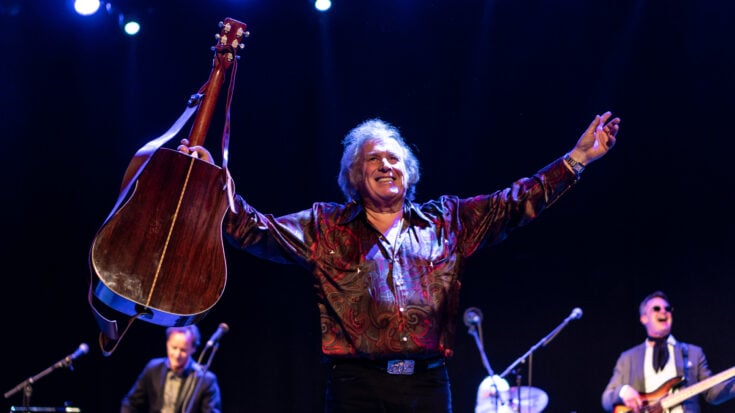
Photo by Raph_PH, CC BY 2.0, via Wikimedia Commons
Misheard lyrics are part of music culture. A song line can sound clear to one listener and completely different to someone else. That small change can turn a serious message into something strange or funny. Many fans only learn the real words years later, usually by reading the lyrics. Even major artists have lines that people still argue about today.
A poll from Word Finder asked more than 1,000 Americans which songs have the most misunderstood lyrics. The results show that classic rock has some of the most famous mix-ups. Here are 13 examples fans often hear wrong.
1. “Changes” – David Bowie
David Bowie wrote “Changes” as a message about facing life without fear. His lyrics give advice on handling uncertainty with confidence. The chorus is often quoted for its bold tone:
“Ch-ch-ch-ch-changes / Turn and face it straight”
Many listeners hear a call to face life head-on. The idea fits Bowie’s view on personal growth, and the song is known for its clear message about becoming stronger.
But that line is not correct. The real lyric is: “Turn and face the strange.” Many fans sang the wrong words for years. At least the mistaken line carries the same meaning as Bowie’s real lyric.

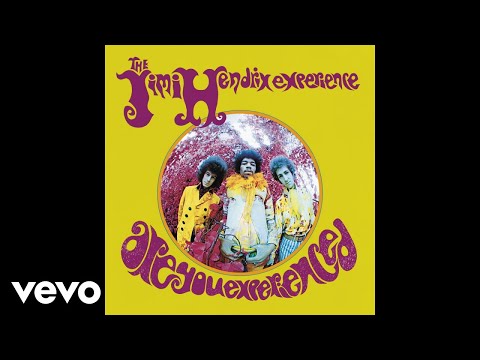
2. “Purple Haze” – The Jimi Hendrix Experience
Jimi Hendrix created one of rock’s most quoted lines:
“’Scuse me while I kiss the sky.”
The song came out in 1967 and changed guitar music. The lyric sounds poetic, and the song became a rock anthem. Hendrix’s voice and tone made the line stand out, and the track is still linked to that one moment in the chorus.
However, many listeners heard the line in a surprising way:
“’Scuse me while I kiss this guy.”
The misunderstanding became so popular that Hendrix once joked about it onstage. It remains one of the most famous misheard lyrics in rock history.
3. “Rock the Casbah” – The Clash
Some listeners think The Clash wrote a song about money or a strange product slogan. Misheard versions include “lock the cashbox” or “stop the cat box.” The real lyric is clear: “Rock the Casbah.” The title refers to a citadel area used to watch over cities in parts of the Middle East.
The song was written during a time when some groups banned music in their regions. The “Rock the Casbah” was meant to support freedom from those restrictions. The misheard versions have nothing to do with the song’s purpose, but they became part of its legacy.
4. “Another Brick in the Wall (Part 2)” – Pink Floyd
Pink Floyd created a major hit with “Hey, teacher, leave them kids alone.” The message is direct and fits the theme of questioning control in schools. The song title can be confusing to people unfamiliar with the band, and the chorus seems simple enough to repeat.
Some listeners heard the line as: “Another breaking the law.” That version changes the meaning entirely and suggests the teacher is doing something criminal. The real lyric points to the idea that strict rules are harmful pieces of a larger system. Even so, the misheard line spread among casual listeners.

5. “Smells Like Teen Spirit” – Nirvana
“Smells Like Teen Spirit” helped make Nirvana a major rock band in 1991. When a song becomes a cultural moment, people often try to understand every line. Kurt Cobain’s voice style made the chorus hard to understand, which inspired “Weird Al” Yankovic to write a parody.
In “Smells Like Nirvana,” he sings:
“What is this song all about? / Can’t figure any lyrics out.”
The real chorus is:
“With the lights out, it’s less dangerous / Here we are now, entertain us.” Many fans admit they never knew the real words until seeing them in print.
6. “Blinded by the Light” – Bruce Springsteen / Manfred Mann’s Earth Band
Bruce Springsteen wrote “Blinded by the Light,” but many listeners know the cover by Manfred Mann’s Earth Band. Springsteen’s writing is full of detail, and the chorus has a specific image:
“Revved up like a Deuce, another runner in the night.”
The cover version changed the vocal tone, which caused confusion. People often hear:
“Ripped up like a douche, another rumor in the night.”
The incorrect version became so common that it turned into a running joke. It shows how one sound shift can completely change a lyric.

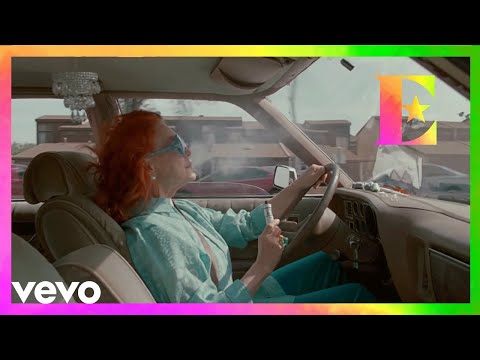
7. “Tiny Dancer” – Elton John
“Tiny Dancer” is one of Elton John’s most praised songs. Fans know the chorus:
“Hold me closer, tiny dancer.”
The song mixes a relaxing tone with a soft vocal line, and the lyrics create a warm scene. It became a favorite on radio and soundtracks.
Fans of the show Friends know that Phoebe often changes song lyrics for fun. Her version is:
“Hold me close, young Tony Danza.”
The joke spread so widely that many people now hear both versions in their head. The real lyric never mentions the actor, but the misheard line became part of pop culture.
8. “I Want to Hold Your Hand” – The Beatles
The Beatles became worldwide stars with “I Want to Hold Your Hand.” The chorus repeats:
“It’s such a feelin’ that my love / I can’t hide.”
The song helped start a wave of interest in British rock.
Some people heard the line as:
“It’s such a feelin’ that my love / I get high.”
Older Americans already viewed The Beatles as a wild influence on youth, so misheard lyrics added tension. The band was often accused of promoting a lifestyle they never mentioned in their songs. The misunderstanding shows how one word can change a public image.

9. “Enter Sandman” – Metallica
“Enter Sandman” is one of Metallica’s biggest songs. Fans know the chorus:
“Sleep with one eye open / Gripping your pillow tight / Exit light / Enter night.”
The dark tone helped the track stand out in the early ’90s.
Some listeners thought the line was different:
“Extra light / Ends tonight.”
This version turns a heavy rock song into something about light sources. The misheard line spread among people who only heard the song in passing. The real lyrics reflect a nightmare theme, not anything related to ending daylight savings time.
10. “Don’t Bring Me Down” – Electric Light Orchestra
ELO recorded “Don’t Bring Me Down” using a word that confused many listeners:
“Don’t bring me down, groose.”
Rolling Stone noted that the band used “groose” after hearing from an engineer that it could work as a German greeting. It added a unique sound to the chorus.
Listeners often heard the lyric as:
“Don’t bring me down, Bruce.”
The wrong version spread so far that people asked who Bruce even was. The band later leaned into the joke and sometimes sang it that way onstage.

11. “Summer of ’69” – Bryan Adams
Bryan Adams wrote the popular opening verse:
“I got my first real six-string / Bought it at the five and dime.”
The song is a memory of early years playing guitar. The chorus reflects on youth and music.
The Word Finder poll showed that some listeners misheard the opening as:
“I got my first real sex dream.”
The misunderstanding likely comes from the number ’69 in the title. The wrong version changes the tone from nostalgic music to something else entirely. Adams wrote about the year, not the meaning behind the number.

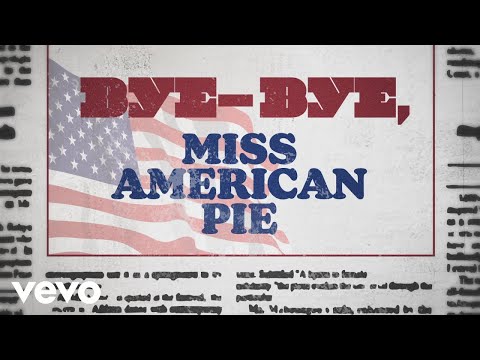
12. “American Pie” – Don McLean
“American Pie” is known for detailed lyrics. The chorus is widely recognized:
“So bye-bye, Miss American Pie / Drove my Chevy to the levee / But the levee was dry.”
The song is filled with symbols and references to music culture.
Some listeners heard the line:
“Them good old boys were drinking whiskey and wine.”
The real lyric is:
“Them good old boys were drinking whiskey and rye.”
The change from rye to wine may seem small, but it alters the rhythm and image of the chorus. The real line has a specific sound that matches the song’s flow.
13. “The Zephyr Song” – Red Hot Chili Peppers
Many people don’t know the word zephyr, which refers to a gentle wind. The Red Hot Chili Peppers used it in the chorus:
“Fly away on my zephyr / I feel it more than ever.”
The line creates a smooth mood that fits the band’s style.
Some listeners heard:
“Fly away home my zipper.”
The change makes the chorus sound random. The song helped many people learn the meaning of the word zephyr, which they likely never thought about before. The misheard version shows how a single unfamiliar word can shape how a lyric is heard.


.jpg)