




10 Classic Blues Rock Songs of the 1970s That Need to Be Revived Today
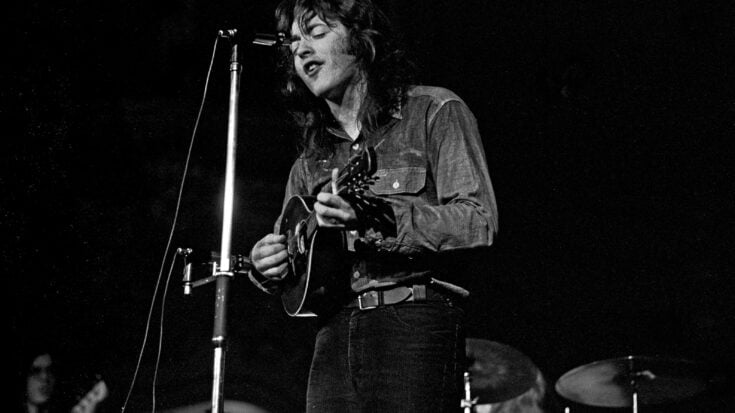
Photo by Heinrich Klaffs, CC BY-SA 2.0, via Wikimedia Commons
The 1970s gave blues rock a stronger voice and a wider reach. The sound grew louder, heavier, and more confident, blending guitar-driven energy with the emotional pull of blues. These songs carried grit, skill, and feeling in equal measure. Many still shape rock today, but some have faded from attention and deserve a fresh listen.
These ten tracks show how powerful the decade was for the genre. Each one highlights a different side of blues rock — fierce riffs, soulful singing, and musicians pushing their limits. Even after all these years, the strength of these songs still stands out.
1. Rory Gallagher – “Cradle Rock”
“Cradle Rock” from Tattoo introduced Rory Gallagher at full force. The track storms forward with a rough guitar riff, steady rhythm, and vocals that sound completely locked into the moment. Gallagher plays with the kind of confidence that makes every note feel alive. It became a favorite during his shows, proving how well he could shape blues into something louder and sharper.
The song’s direct attitude and restless groove helped make it a standout in his catalog. Gallagher’s tone cuts through with clear purpose, and the playing never loses focus. “Cradle Rock” was later covered by several artists, including Joe Bonamassa, showing its long-lasting influence.
2. ZZ Top – “Just Got Paid”
From Rio Grande Mud, “Just Got Paid” captures ZZ Top before fame changed their sound. Billy Gibbons fires off thick, buzzing guitar lines while Dusty Hill and Frank Beard lock into a driving beat. The song carries the feel of a long week finally ending, with lyrics about the relief of payday and the freedom that comes with it.
Listeners often point to this track as ZZ Top at their purest — straightforward, bold, and rooted in blues tradition. It became a major favorite among guitar fans because of its sharp riffs and heavy groove. Even today, it remains a highlight in their live performances.
3. Derek and the Dominos – “Bell Bottom Blues”
Written by Eric Clapton and Bobby Whitlock, “Bell Bottom Blues” blends heartbreak with expressive guitar lines. Found on Layla and Other Assorted Love Songs, the track shows Clapton at his most open, both in voice and playing. The pain in the lyrics connects with the guitar work, creating a steady emotional pull throughout the song.
While “Layla” often overshadows it, many listeners regard this piece as one of the album’s strongest moments. The melody moves gently but carries real weight, showing a softer side of blues rock. Its honest tone and warm guitar phrasing continue to draw attention from new generations of fans.
4. Freddie King – “Going Down”
“Going Down” remains one of Freddie King’s most explosive recordings. Originally written by Don Nix, King’s version on Getting Ready… is the one that became legendary. It opens with a fierce riff and keeps building without slowing down. King’s voice and guitar match each other in strength, giving the performance a rough but controlled feel.
The track became a regular pick for other musicians who wanted to tap into its power. Many rock and blues players have covered it, trying to match King’s sharp tone and strong delivery. “Going Down” holds an important place in blues rock because of its raw sound and steady energy.
5. Robin Trower – “Too Rolling Stoned”
After his time with Procol Harum, Robin Trower leaned deeper into blues rock. “Too Rolling Stoned” from Bridge of Sighs shows how well he used space, tone, and phrasing to shape his sound. The song starts with a cool, steady groove before building into long, expressive guitar lines that feel both loose and controlled.
Trower’s work often drew comparisons to Jimi Hendrix, but this song shows he created his own voice. The mix of funk-inspired rhythms and soaring solos gives the track a wide reach. It became one of his most recognizable recordings and remains a favorite among guitar fans.
6. Beck, Bogert & Appice – “Black Cat Moan”
This short-lived group brought together Jeff Beck, Tim Bogert, and Carmine Appice — three musicians with strong individual styles. Their version of “Black Cat Moan” is heavy and gritty, with a deep groove that dominates the entire track. Beck plays with sharp, unpredictable phrasing that gives the song its wild edge.
The band pushes the blues rock sound into rougher territory without losing its roots. The dark mood, grinding rhythm, and aggressive guitar tone make the track stand out from most blues rock of the period. It remains one of the best examples of how far the genre could stretch in the 1970s.
7. The Allman Brothers Band – “Blue Sky”
Written and sung by Dickey Betts, “Blue Sky” brings a warm and uplifting side of blues rock. Featured on Eat a Peach, the song blends smooth vocals with graceful guitar harmonies that flow like a conversation. The melody carries a sense of calm without losing the band’s signature musical strength.
The twin guitars between Betts and Duane Allman create some of the most memorable interplay of the decade. “Blue Sky” became one of the band’s most loved songs, and Dickey’s son Duane still performs it with the Allman Betts Band. Its lighter tone gives it a special place within the genre.
8. Edgar Winter Group – “Free Ride”
“Free Ride,” though known mostly as a classic rock staple, is built on strong blues rock foundations. Ronnie Montrose’s guitar work brings a tight, energetic riff that drives the track. Edgar Winter’s keyboards add a bright layer, giving the song a fun mix of blues and funk. Its upbeat rhythm makes it easy to recognize.
The combination of catchy hooks and sharp guitar lines helped the song break into the mainstream. The overall sound is lively without losing its blues roots. This blend allowed “Free Ride” to stand out among 1970s rock hits while still fitting comfortably within blues rock traditions.
9. Joe Walsh – “Rocky Mountain Way”
“Rocky Mountain Way” stands as one of Joe Walsh’s defining tracks. The song mixes slide guitar with thoughtful lyrics, creating a laid-back but strong atmosphere. Walsh’s guitar tone carries the mood of open spaces and quiet moments. The talk box solo became a standout feature and gave the track a unique identity.
The steady groove made the song popular across rock audiences. It also helped set the stage for Walsh’s later work with the Eagles. Its blend of blues elements with a reflective tone keeps it fresh decades after its release, and many still point to it as one of his best songs.
10. Free – “Heartbreaker”
“Heartbreaker” from Free’s final album shows the band at an emotional high point. Paul Rodgers delivers one of his strongest vocal performances, filled with depth and control. The song’s slow, heavy feel gives each line room to breathe, letting the emotion settle in. The mood fits the band’s state at the time, making it even more powerful.
Paul Kossoff, despite health struggles, contributed a heartfelt solo that helped define the track. His tone and vibrato add weight to the song’s emotional center. “Heartbreaker” serves as a lasting example of Free’s ability to mix rock power with deep blues feeling.