




6 Tragic Losses in the Rock World During the ’80s
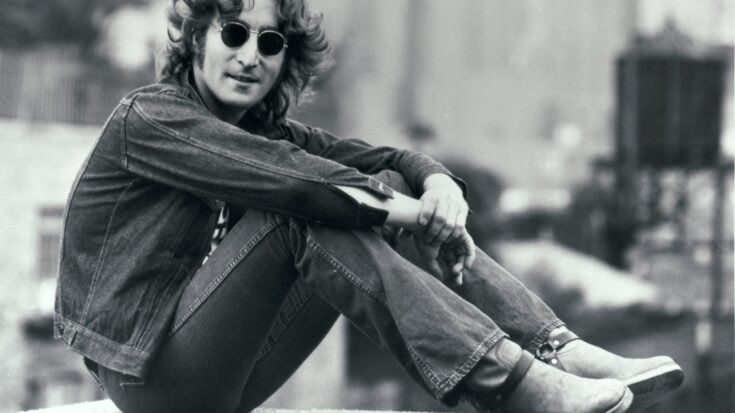
Bob Gruen; Distributed by Capitol Records, Public domain, via Wikimedia Commons.
Rock music changed fast in the 1980s, but the decade also came with heavy losses. Several artists who shaped rock around the world passed away at young ages, leaving fans shocked. Their influence continues today, and their names still hold meaning in music history. These six losses show how fragile life can be, even for artists who seem larger than life.
The stories below cover different bands and styles, from classic rock icons to rising talents whose careers ended suddenly. Each loss changed the direction of their groups and left lasting effects on rock culture.
1. John Lennon (Died December 8, 1980)
View this post on Instagram
John Lennon, co-founder of The Beatles and later a respected solo artist, was murdered outside his New York City apartment at age 40. His killer was an obsessed fan who had waited for him after Lennon’s recording session. The news spread instantly across the world, and the shock was emotional for millions of fans. Lennon had just released new music and was returning to public life after a break.
His assassination changed rock history and caused a period of grief for fans everywhere. Lennon’s writing, voice, and message shaped modern music. His work, from The Beatles through his solo career, remains known to every generation.
2. John Bonham (Died September 25, 1980)
View this post on Instagram
John Bonham, drummer for Led Zeppelin, died at age 32 from asphyxiation on his own vomit after a day of heavy alcohol use. Bonham’s powerful style made him one of the most studied drummers in rock. He recorded countless classic tracks and was a major part of the sound that made Led Zeppelin one of the biggest bands in the world.
After his death, the band chose not to continue, saying they could not be Led Zeppelin without him. His impact is still heard in music today, and many drummers point to Bonham as one of their main influences.
3. Bon Scott (Died February 19, 1980)
View this post on Instagram
Bon Scott, AC/DC’s lead singer, died at age 33 after a night of heavy drinking. Alcohol poisoning was listed as the cause of death. Scott’s energetic presence and distinct voice helped shape AC/DC’s early sound. His passing came just as the band was reaching global recognition with a style that connected with a wide audience.
After his death, AC/DC continued and found success with a new singer, but Scott’s early recordings remain an important part of their history. His work influenced rock singers for years, and many fans still see him as the voice that first defined AC/DC.
4. Ian Curtis (Died May 18, 1980)
View this post on Instagram
Ian Curtis, singer and songwriter for Joy Division, died by suicide at age 23. His death came the night before the band was set to leave for their first U.S. tour. Curtis struggled with health issues and emotional stress, which affected his performances. His lyrics and voice helped shape the post-punk sound that would later influence alternative rock bands.
After his passing, the remaining members formed New Order and continued making music, but Joy Division’s short history became a major part of 1980s rock. Curtis’s writing style and stage presence remain studied by artists and fans today.
5. Randy Rhoads (Died March 19, 1982)
View this post on Instagram
Randy Rhoads, guitarist for Ozzy Osbourne’s band and Quiet Riot, died in a plane crash at age 25. The crash occurred while on tour, and the event shocked the rock community. Rhoads had blended classical influences with heavy metal, giving a new sound to Ozzy Osbourne’s early solo work and earning attention for his skill.
Many believed he was only at the start of what could have been a long career. His solos on tracks like “Crazy Train” showed his approach to guitar and influenced countless musicians. His early death became one of the most discussed tragedies in rock.
6. Cliff Burton (Died September 27, 1986)
View this post on Instagram
Cliff Burton, Metallica’s bassist, died at age 24 in a tour bus crash while the band was in Sweden. Burton’s playing style helped define Metallica’s early albums. He used classical ideas, distortion, and creative approaches to bass lines that stood out in metal. His work made him respected among musicians and fans who saw him as a unique part of the band.
After his death, Metallica continued, but the loss changed the group forever. Burton’s influence can still be heard in their music, and many rock fans view him as one of the most important metal bassists of all time.