




3 Classic Rock Songwriters Who Secretly Penned Massive Hits

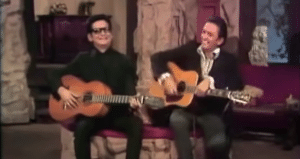
via J K / YouTube
Many classic rock staples were penned by the same artists who sang them, but not all legendary hits began with the musicians whose names appear on the album cover. Some were crafted by lesser-known songwriting geniuses; others emerged from unexpected collaborations that fans often overlook. Here’s a closer look at several iconic songs with surprising origins.
George Harrison Co-Wrote Cream’s “Badge”
While George Harrison’s close friendship with Eric Clapton is well documented, fewer fans realize just how deeply their creative partnership ran. One of the clearest examples is Cream’s 1969 blues-rock track “Badge,” which Harrison co-wrote with Clapton during the late days of The Beatles.
The song appeared on Goodbye and was assembled before Lennon, McCartney, Harrison, and Starr had formally gone their separate ways. In true rock-and-roll fashion, its title came about by accident—Clapton famously misread Harrison’s handwritten note that said “Bridge,” and the word “Badge” simply stuck. The misinterpretation helped give the song one of the more enigmatic titles in Cream’s catalog.

David Bowie’s “Cat People (Putting Out Fire)” Was Composed by Giorgio Moroder
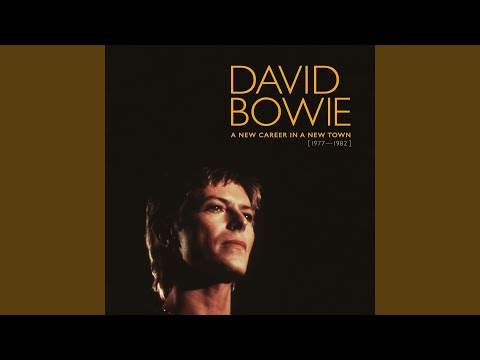
“Cat People (Putting Out Fire)” remains one of the more unusual entries in David Bowie’s discography—a shadowy, synth-driven track created for Paul Schrader’s 1982 erotic horror film Cat People. Bowie penned the lyrics, but the song’s pulsing electronic architecture came from Giorgio Moroder, the Italian producer whose influence on disco, electronic music, and synth-pop is immeasurable.
Moroder, already a force thanks to his work with Donna Summer and his groundbreaking production style, brought a cinematic sheen to the track. As the founder of Germany’s Musicland Studios—an international magnet for artists like Queen, Led Zeppelin, and The Rolling Stones—Moroder helped ensure the song landed with both dramatic flair and cutting-edge precision.
Neil Diamond Wrote The Monkees’ Hit “I’m a Believer”
Long before Neil Diamond became a stadium-packing legend, he was a young songwriter crafting tunes for other artists. One of his biggest early contributions came in the form of “I’m a Believer,” the song that propelled The Monkees to the top of the charts. Released in 1966, it became the best-selling single of 1967 and a defining pop-rock anthem of the era.
Diamond later admitted that his record label was far from pleased about him giving away such a powerful track. According to the songwriter, the label “freaked” out and believed he had “given No. 1 records away to another group.” The reaction underscores the tension that often existed between young songwriters eager to get their material out into the world and the labels that sought to protect their commercial potential.
In hindsight, Diamond’s decision looks far less reckless than forward-thinking. “I’m a Believer” didn’t just elevate The Monkees—it showcased Diamond’s instinct for melody, helped solidify his reputation as a hitmaker, and opened the door to a career that would produce dozens of classics under his own name. What his label saw as a loss ultimately proved to be a defining step in his rise.