




10 Hidden Gems Written by the Beatles For Other Artists You Probably Didn’t Know
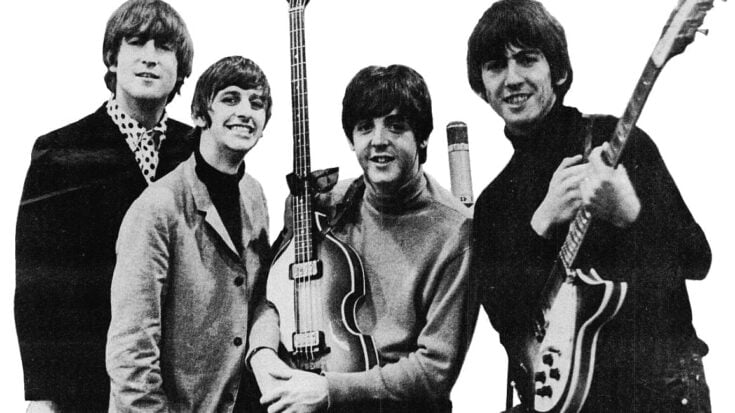
Photo by EMI, Public domain, via Wikimedia Commons.
The Beatles are known for hit songs that shaped modern music, but they also wrote tracks for other artists. Many people heard these songs on the radio without knowing John, Paul, George, or Ringo wrote them. Some credits used the familiar Lennon-McCartney name. Others were hidden under different names to see if the song could stand on its own. These tracks show how often their ideas reached beyond their own albums. Here are 10 songs recorded by other artists that were actually written by the Beatles.
1. “I Wanna Be Your Man” – The Rolling Stones (1963)
The Rolling Stones released “I Wanna Be Your Man” as one of their early singles. It was written by John Lennon and Paul McCartney, who were friends with the Stones during the early British music scene. The song helped raise the Rolling Stones’ profile before they became worldwide stars.
Lennon and McCartney later recorded their own version on With The Beatles. Both versions reflect the raw and simple rock sound the bands shared in their early years. The track is interesting because it shows how the two biggest rival bands once worked together at the start.

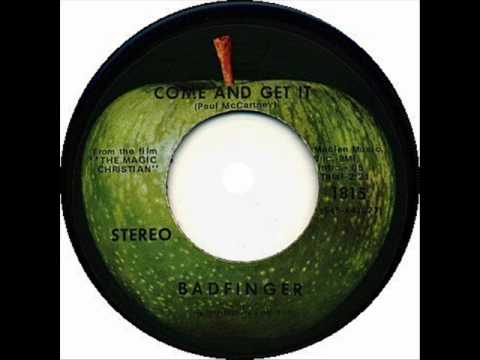
2. “Come and Get It” – Badfinger (1969)
Paul McCartney wrote and produced “Come and Get It” for Badfinger, the first band signed to Apple Records. He even recorded a clear demo showing exactly how he wanted it played. The band followed his guide closely, and the song became a major hit.
Badfinger already had talent and didn’t need outside writers, but working with McCartney helped push them into the spotlight. The song has a strong pop sound with a catchy hook, which was something McCartney did well. It shows how The Beatles used Apple Records to support other artists.
3. “Bad to Me” – Billy J. Kramer with The Dakotas (1963)
“Bad to Me” was a Lennon-McCartney track given to Billy J. Kramer, who was part of the same Liverpool scene. The song reached No. 1 in the U.K. and helped him gain a wider audience. Even with its bright sound, The Beatles never recorded it themselves.
The only Beatles-related version is a John Lennon demo, released decades later in The Beatles Bootleg Recordings 1963. Fans were surprised to hear Lennon’s early take on the tune. Kramer’s version is still the well-known recording that made the song a hit in the first place.

4. “Love of the Loved” – Cilla Black (1963)
John Lennon and Paul McCartney wrote “Love of the Loved” during their early sessions before they had a record deal. The Beatles recorded it for their test sessions at Decca Records, but it was never released under their name.
Cilla Black recorded the song and reached the Top 40 in the U.K. That success helped launch her career, which later grew with more TV and stage work. The song is part of the early Beatles writing style, with a direct lyric and clear melody. It shows how many strong ideas never made it to Beatles albums.

5. “Step Inside Love” – Cilla Black (1968)
Five years after “Love of the Loved,” Cilla Black returned to a Lennon-McCartney song for her TV show called Cilla. “Step Inside Love” was used as the theme song and became closely linked with her public image.
The Beatles recorded a version during sessions for their 1968 self-titled album, often called the White Album, but it stayed unreleased until Anthology 3 in 1996. The track has a warm, friendly tone that fits a TV theme. It also shows how the Beatles supported artists around them, especially those from Liverpool.
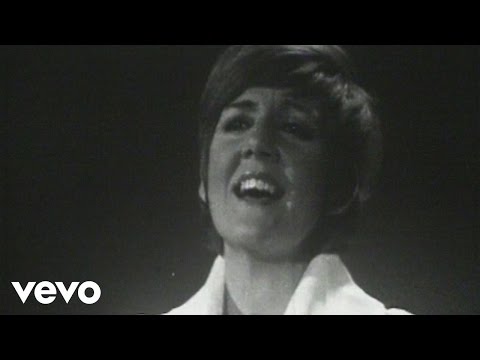
6. “A World Without Love” – Peter and Gordon (1964)
Peter and Gordon reached No. 1 in the U.K. with “A World Without Love.” Though credited to Lennon-McCartney, it was written by a young Paul McCartney. He passed it to the duo because he did not feel it fit The Beatles’ style.
The band never recorded the song, but it became a major pop hit. Peter and Gordon’s soft harmony gave it a different tone from Beatles records. The story behind the song shows that even tracks The Beatles did not want were still strong enough to find success with other artists.

7. “Woman” – Peter and Gordon (1966)
Paul McCartney wrote “Woman” for Peter and Gordon again, but this time he used the name Bernard Webb. McCartney wanted to see if a song could become popular without the Lennon-McCartney credit influencing the charts.
The song still did well, reaching number 14 on the Billboard Hot 100. The secret didn’t last long, and once people learned McCartney wrote it, interest grew even more. Peter and Gordon’s soft vocal style made the song recognizable. It highlights how The Beatles experimented with songwriting credit out of curiosity rather than ego.

8. “Goodbye” – Mary Hopkin (1969)
Folk singer Mary Hopkin recorded “Goodbye,” written by Lennon-McCartney. The song rose quickly on the charts but stayed at No. 2 in the U.K. because another Beatles single, “Get Back,” held the top spot. Even when they weren’t trying, the band blocked themselves.
The song has a gentle sound that fit Hopkin’s voice. She had a strong start to her career under the Apple label, where McCartney often helped with production and arrangement. “Goodbye” shows how the Beatles used their label to promote artists with different styles, especially singers with a softer tone than rock.

9. “Sour Milk Sea” – Jackie Lomax (1968)
George Harrison wrote “Sour Milk Sea” for Jackie Lomax, another Apple Records artist. The recording included Harrison, Paul McCartney, and Ringo Starr as supporting musicians, which made it a rare mix of Beatles working together on someone else’s track.
Even with that lineup, the song did not sell well. Fans today consider it a missed opportunity because the track has energy and a strong guitar riff. Lomax never found major chart success, but the song shows Harrison’s early writing outside The Beatles. It was bold, loud, and full of ideas he would later explore on his own.

10. “Badge” – Cream (1969)
“Badge” was co-written by George Harrison and Eric Clapton for Cream’s final album Goodbye. Cream was one of the biggest British bands of the 1960s, but members argued often, which led to their breakup after only a few years.
Harrison worked with Clapton on the song, bringing a clear melody and a simple hook. The track became one of Cream’s well-known recordings and showed the close friendship between Harrison and Clapton. “Badge” stands out because it blends both styles: Cream’s heavy sound and Harrison’s more controlled writing approach.